Study uncovers giant squid and new species records in WA’s deep sea canyons
An environmental DNA (eDNA) study led by Curtin University has revealed an exceptional range of marine life in Western Australia’s deep‑sea canyons off the Nyinggulu (Ningaloo) coast, including traces of the elusive giant squid and dozens of species never previously recorded in the region.
The Western Australian Museum-led expedition on board the Schmidt Ocean Institute’s R/V Falkor surveyed the deep Cape Range and Cloates submarine canyons about 1200km north of Perth, collecting more than 1000 samples from depths of up to 4510m.
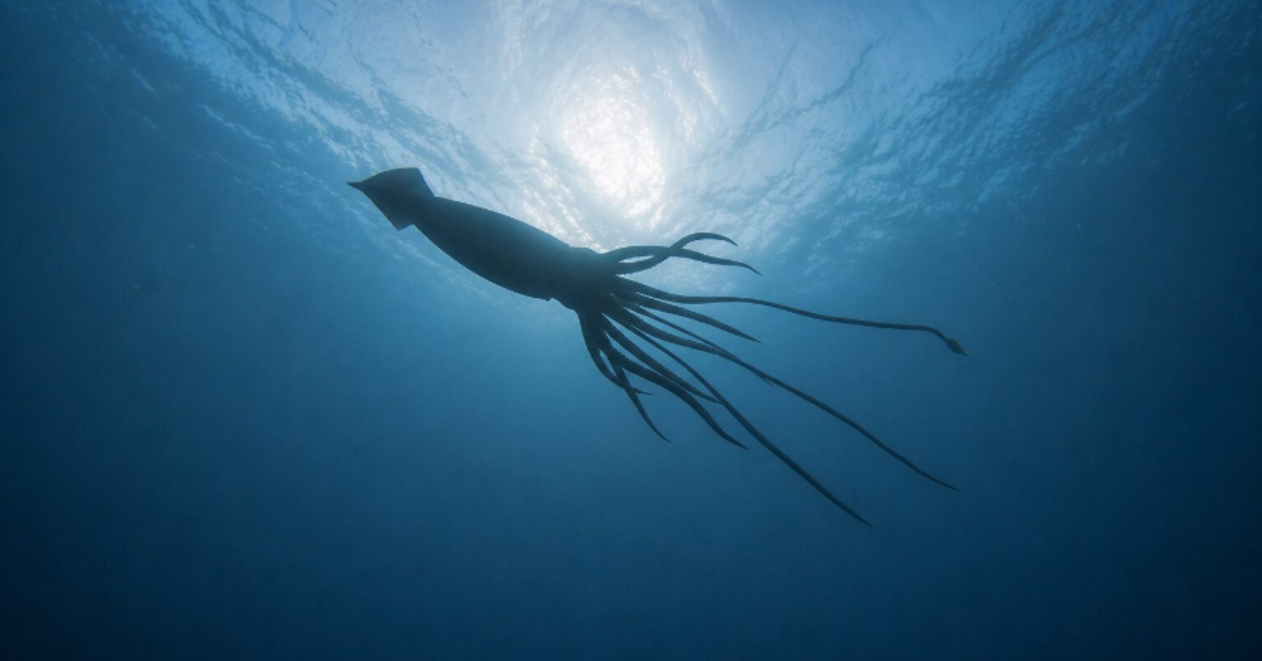
By analysing genetic material shed by animals into seawater, researchers detected 226 species across 11 major animal groups. Notable findings included eDNA from the giant squid (Architeuthis dux), as well as deep‑diving whales such as the Pygmy sperm whale and Cuvier’s beaked whale.
The study also identified species not previously documented in WA waters, including the sleeper shark, faceless cusk eel and slender snaggletooth.
Lead author Dr Georgia Nester, who conducted the research as part of her PhD studies at Curtin University and is now at the Minderoo OceanOmics Centre at The University of Western Australia, said the results highlight how little is known about deep‑sea biodiversity.
“We found many species that don’t neatly match existing records, suggesting there is far more diversity in these ecosystems than currently recognised.”
Water samples were collected from the surface to more than 4,000 metres deep, with eDNA results supported by physical specimens gathered by remotely operated vehicle SuBastian. These specimens are now housed at the WA Museum to support future research.
To find out more, click here: