Airborne DNA reveals hundreds of species across WA in Curtin University study
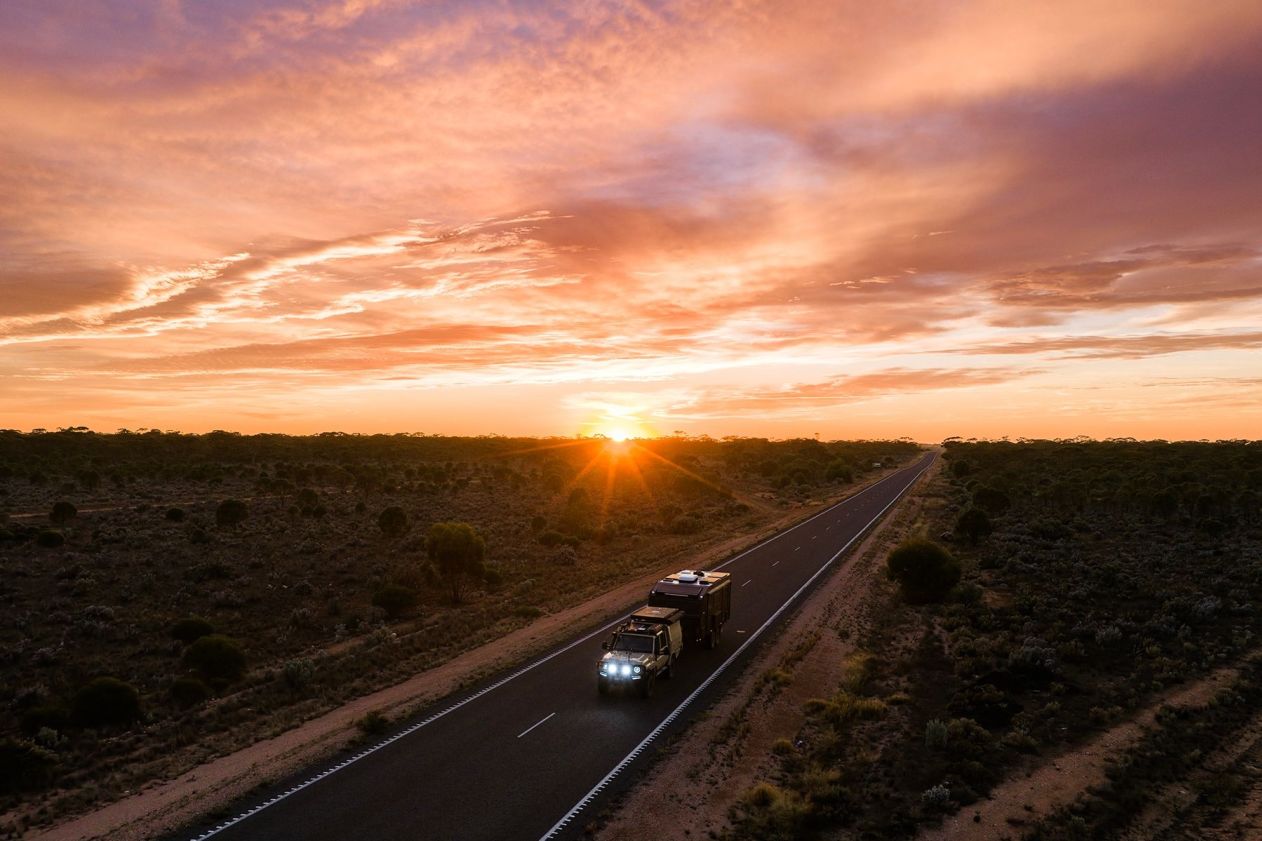
A car journey of more than 1,100km across Western Australia has helped Curtin University researchers detect traces of hundreds of plants and animals — using nothing but DNA collected from the air.
Researchers from Curtin’s School of Molecular and Life Sciences fitted a car with a specialised air sampler and drove from Cottesloe to Cocklebiddy, collecting samples roughly every 26km as they passed through forests, farmland and inland landscapes. Each sample contained airborne environmental DNA (eDNA): tiny fragments of genetic material shed by plants and animals into the atmosphere, such as skin, feathers, hair and pollen.
By analysing this airborne DNA, the team identified 633 different types of plants and animals, including native wildlife, insects, invasive species and 12 regulated pests. Species of agricultural and environmental concern, such as native budworm, stable fly and Australian sheep blowfly, were also detected.
Lead author Dr Joshua Newton said the results showed that airborne DNA can reveal meaningful differences between environments.
“Every landscape has its own mix of plants and animals, and the DNA we collected reflected those differences,” Dr Newton said.
The study found that habitat and environmental conditions were more important than distance alone in explaining the variation in species detected. This suggests airborne DNA sampling could help build a broader picture of biodiversity across large areas, complementing traditional surveys that require scientists to search for individual species in the field.
Co-author Professor Paul Nevill said the approach could expand biodiversity monitoring across regions that are difficult or time‑consuming to survey.
“Being able to collect DNA while travelling through the landscape opens up exciting possibilities for monitoring biodiversity over large distances,” Professor Nevill said. “It could help identify patterns in wildlife and plant communities and highlight areas where more detailed surveys are needed.”
The researchers emphasised that airborne DNA can travel, and a detection does not necessarily confirm a species’ presence at a precise location. Instead, the method offers an additional layer of insight that can guide further investigation and strengthen existing monitoring programs.
Dr Newton said airborne DNA should be viewed as a complementary tool.
“Combined with other monitoring methods, it can help researchers and land managers better understand where species are being detected and where further investigation may be needed.”