Decades of conservation help secure a brighter future for the numbat
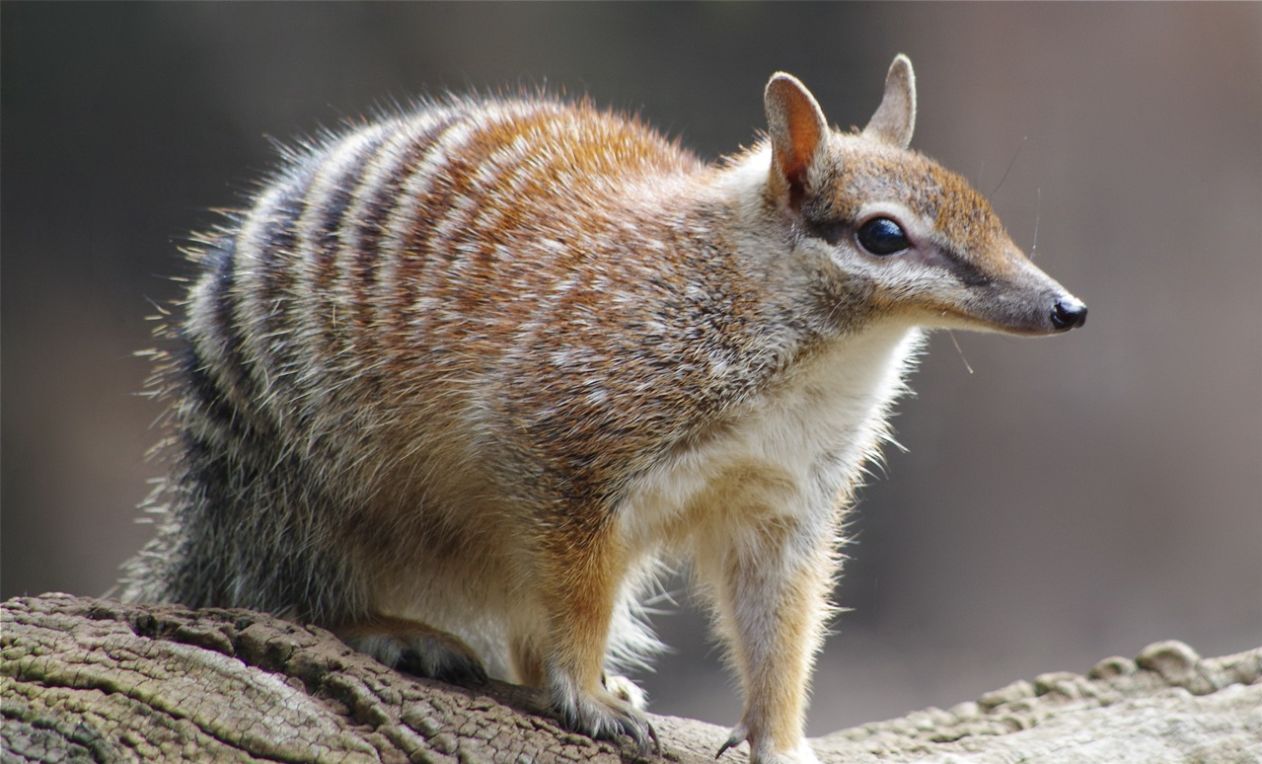
There’s good news for one of Western Australia’s most iconic native animals. The numbat – our State’s animal emblem and Australia’s unique termite-eating marsupial – has officially been reclassified from Endangered to Near Threatened on the International Union for Conservation of Nature (IUCN) Red List of Threatened Species.
The downlisting marks a significant conservation milestone. Just a few decades ago, fewer than 300 numbats remained in the wild. Today, following decades of dedicated conservation efforts, their population is estimated to have grown to between 2,000 and 3,000 animals.
The improved conservation status follows a 10-year review by the IUCN, which recognised that coordinated recovery efforts — including extensive work by the Australian Wildlife Conservancy (AWC) and other conservation partners — have increased the species’ population to the point where it no longer meets the criteria for listing as Endangered.
“It’s great to see that decades of conservation efforts across Australia are paying off, and the numbat has moved from Endangered to Near Threatened on the IUCN Red List,” said Dr Jennifer Anson, AWC Senior Ecologist and member of The Numbat Recovery Team, who also contributed to the species assessment.
“This recovery is a testament to the dedication of countless organisations, researchers, land managers and volunteers working together to protect one of Australia’s most unique mammals.”
Recovery efforts have included predator control, habitat protection and restoration, and successful breeding and reintroduction programs. Since 1993, Perth Zoo’s breed-for-release program has returned more than 300 zoo-born numbats to protected habitats across Western Australia, helping to rebuild wild populations.
While the improved status is cause for celebration, conservationists agree the work is far from finished.
Feral cats and foxes continue to pose a serious threat, alongside habitat loss and fragmentation. Without ongoing conservation management, experts warn the numbat’s recovery could quickly be reversed.
For the WA Parks Foundation, the numbat’s story is a powerful reminder that conservation works when communities, organisations and governments invest in protecting nature.
Across Western Australia, our unique wildlife depends on healthy habitats, thriving national parks and long-term conservation programs. Every success story starts with sustained commitment and collective action.
The numbat’s recovery is an inspiring example of what can be achieved. It is also a reminder that protecting WA’s extraordinary biodiversity requires ongoing support. Together, we can help ensure future generations continue to experience the remarkable wildlife that makes Western Australia so special.