Study highlights Exmouth Gulf’s global marine conservation value
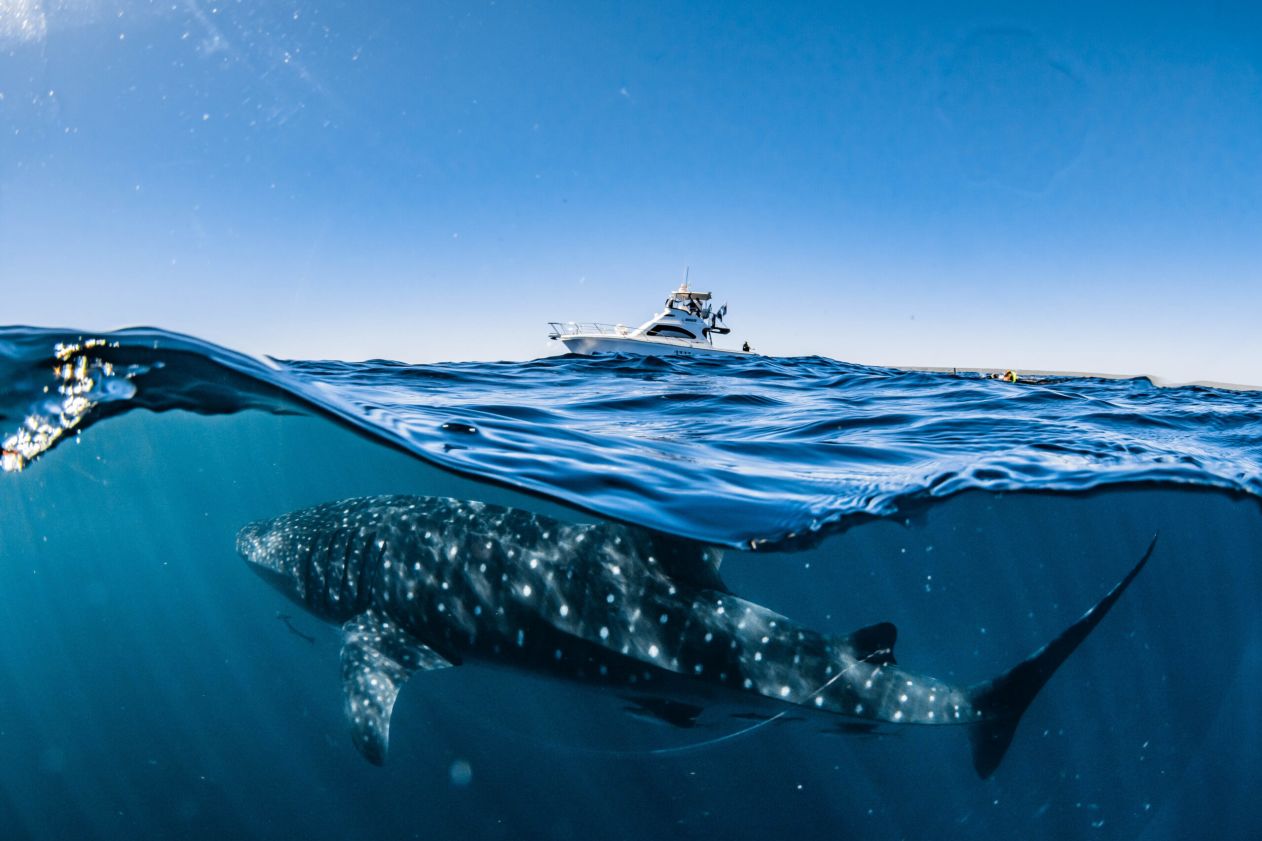
A new environmental DNA study has identified areas of extraordinary marine biodiversity in WA’s Exmouth Gulf, providing valuable evidence to inform management of the proposed marine park.
Researchers from The University of Western Australia, Australian Institute of Marine Science, DBCA, Minderoo Foundation and Murdoch University used environmental DNA (eDNA) to investigate marine communities across this vast gulf in the state’s North West.
Lead author Jessica Pearce, from UWA’s School of Biological Sciences and Oceans Institute, said the study highlighted the global conservation significance of Exmouth Gulf at a time when marine ecosystems face increasing pressure from climate change, pollution, overfishing and coastal development.
“These pressures drive biodiversity loss, disrupt the food chain, alter species distributions and community composition,” Ms Pearce said.
The study analysed seawater eDNA collected from 19 sites spanning more than 3,000 square kilometres across four regions of Exmouth Gulf. This technique uses genetic traces naturally released by marine organisms into seawater, allowing scientists to detect species without having to capture or directly observe them.
The survey identified 487 unique taxa, including 440 bony fish, 37 elasmobranchs such as sharks and rays, seven birds, two mammals and one reptile.
The results revealed distinct marine communities across the gulf, with the eastern Exmouth Gulf emerging as a particular biodiversity hotspot for elasmobranchs and threatened species. Critically endangered species were detected across all four regions.
Ms Pearce said the findings demonstrated the importance of considering the gulf as an interconnected ecosystem when developing conservation strategies.
Co-lead researcher Dr Josh Bonesso, from the UWA Oceans Institute and Australian Institute of Marine Science, said the findings reinforced the conservation value of the entire Exmouth Gulf.
“Exmouth Gulf provides a critical habitat for threatened species,” Dr Bonesso said. “It also has remarkable conservation value and represents a bioregion of global ecological significance.”
The study demonstrates how eDNA can provide a powerful, non-invasive way to map marine biodiversity and identify areas of high conservation value.


