Hidden treasures of the south west: protecting WA’s peatlands
Tucked among the forests, heathlands and granite peaks of Western Australia’s south west are some of the state’s most remarkable ecosystems. Known as Empodisma peatlands, these ancient wetlands have quietly stored carbon, filtered water and provided a home for wildlife for thousands of years.
Although they cover only small pockets of the landscape, these peatlands play an important role in protecting biodiversity and helping regulate our climate. They are built by Empodisma gracillimum, or tanglefoot, a sedge-like plant that traps organic matter in permanently wet soils. Over time, this creates deep layers of peat that act like natural sponges, storing water and locking away carbon.
Their ecological importance was recognised in 2023, when Empodisma peatlands were listed as an Endangered Threatened Ecological Community under Australia’s Environment Protection and Biodiversity Conservation Act.
Today, these special wetlands, which are generally located in high rainfall pockets of Western Australia’s south west, face growing threats, including declining rainfall, changes to fire regimes, groundwater extraction, invasive species and plant diseases. As peatlands dry out, they become more vulnerable to fire, which can release centuries of stored carbon back into the atmosphere.
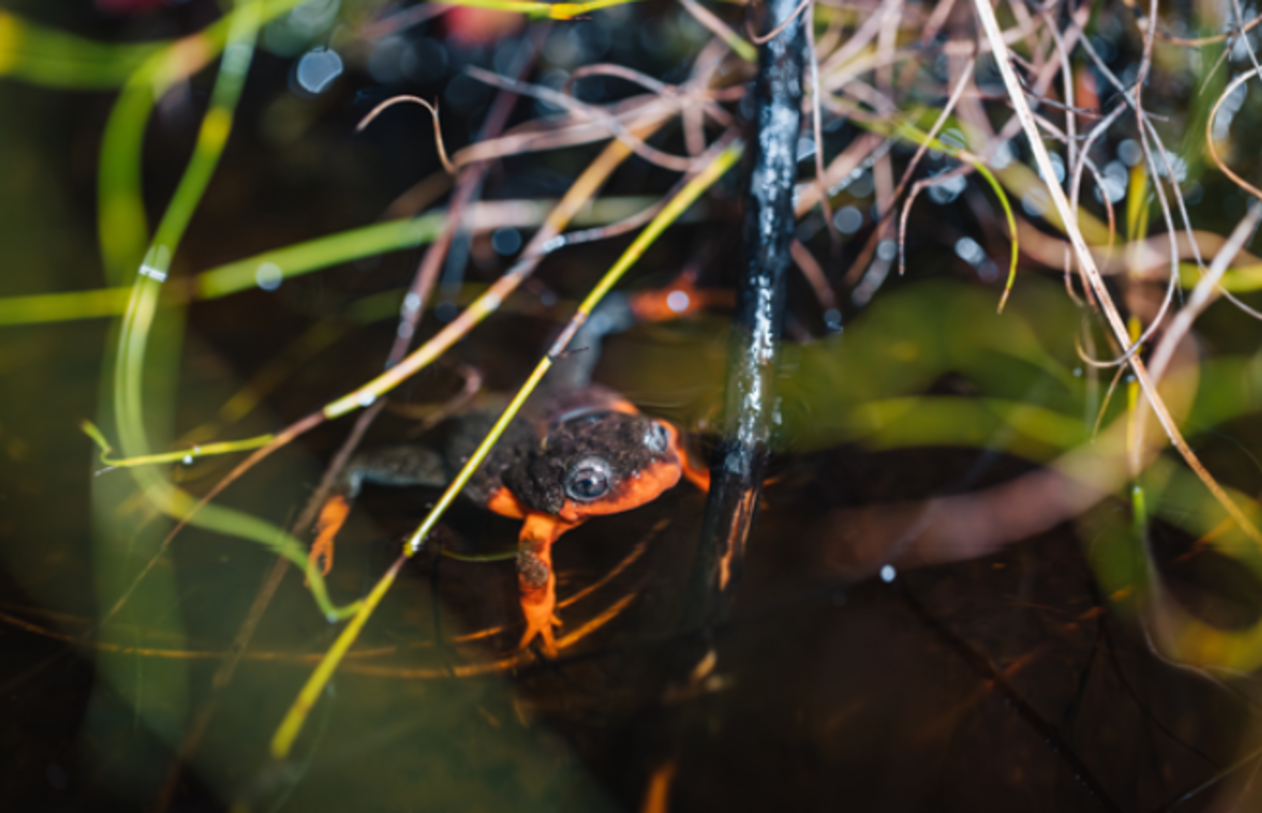
They’re also home to some extraordinary species found nowhere else on Earth. The carnivorous Albany pitcher plant thrives in the nutrient-poor soils, while a tiny ant-mimicking fly relies entirely on the plant’s insect-trapping pitchers to complete its life cycle. Then there’s the striking sunset frog, found only around Walpole and Nornalup. One of Australia’s most geographically restricted amphibians, this remarkable species has been part of these peatland ecosystems for around 30 million years.
Now, researchers are using cutting-edge genetic tools, including environmental DNA (eDNA), to uncover even more of what these hidden wetlands have to offer. By analysing tiny traces of DNA left behind in soil and water, scientists can detect threatened species, better understand genetic diversity and identify populations that may need extra protection.
By better understanding these remarkable wetlands, we can help protect the peatlands, wildlife and natural processes that make Western Australia’s south west so special.


