Science brings native bettongs back to Dirk Hartog Island
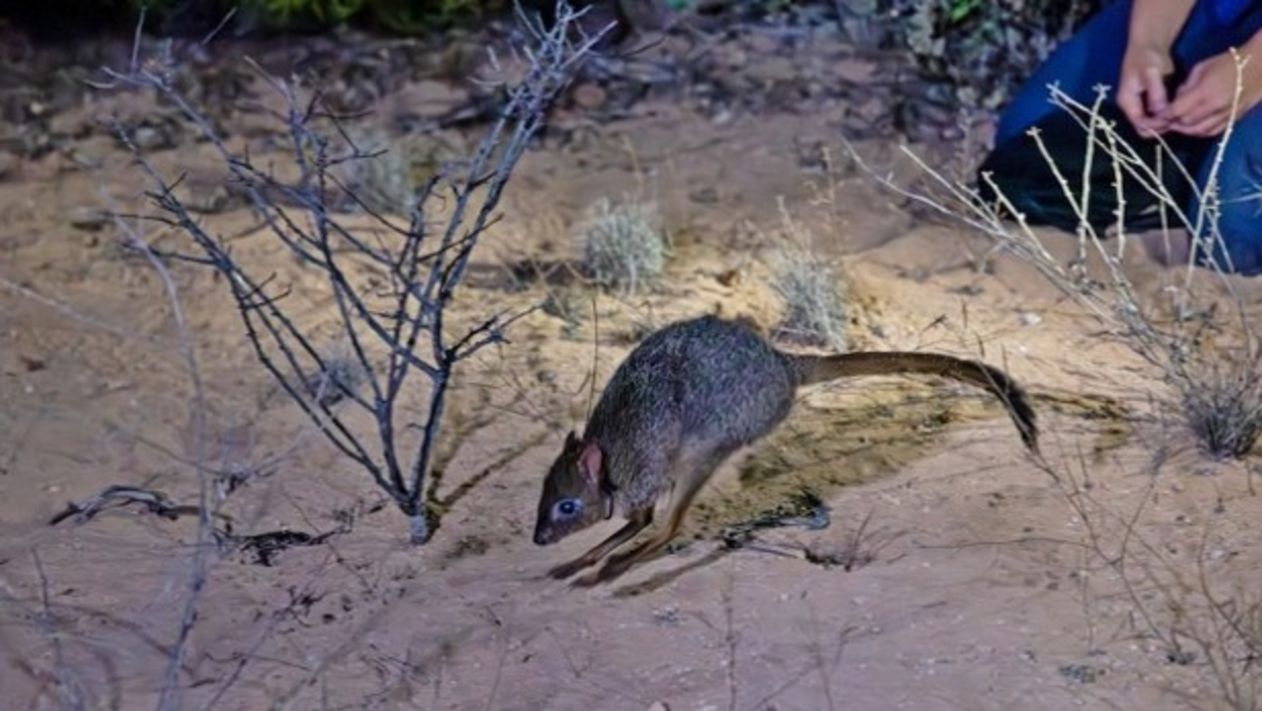
A tiny native marsupial is once again moving through the bush of Dirk Hartog Island (Wirruwana), more than a century after disappearing from this remote Western Australian landscape.
The return of bettongs, also known as ‘rat kangaroos’, is part of the ambitious Return to 1616 Ecological Restoration Project, which is bringing lost native species back to the island and restoring an ecosystem altered by introduced predators and grazing animals.
Before the bettongs could return, researchers needed to make sure the island could support their specialised diet. This included the fungi they rely on for food.
Edith Cowan University PhD researcher Rebecca Quah used DNA analysis of bettong faeces to identify fungi eaten by mainland populations and compare these with those found on Dirk Hartog Island. The results showed the island has a diverse fungal community, including many species eaten by woylies and boodies, two threatened bettong species.
The research helped support the return of woylies to the island in 2025, with early monitoring showing the endangered marsupials are feeding and breeding. Boodies, or burrowing bettongs, are planned for reintroduction in spring, bringing the project another step closer to restoring the island’s original mammal community.
Once widespread across Australia, bettongs were driven close to extinction by introduced predators such as feral cats and foxes. Conservation programs are now helping rebuild their populations in protected areas and predator-free refuges.
Known as Wirruwana by the Malgana Traditional Owners, Dirk Hartog Island is Western Australia’s largest island, covering more than 63,300 hectares within the Shark Bay World Heritage Area, about 850 kilometres north of Perth.
The Return to 1616 project aims to restore Wirruwana’s landscapes and ecosystems to conditions closer to those around the time Dutch navigator Dirk Hartog arrived in 1616. The work includes removing key threats, restoring habitat and returning native species that were lost from the island.
Before European arrival, Wirruwana supported at least 11 native land-dwelling mammal species. The introduction of sheep, goats and feral cats over the past 150 years transformed the island’s ecology, driving the decline and disappearance of many native animals and damaging vegetation and habitat.
Most of the island was declared national park in 2009, marking a new chapter in its restoration. The changes are already becoming visible. Bettongs are digging through the soil, turning it over and helping reshape vegetation and habitat as they move through the landscape.
The next big step will be the planned introduction of a native mammalian predator within the next five years, helping restore the island’s food chain.
Delivered by the Department of Biodiversity, Conservation and Attractions and funded through the Gorgon Barrow Island Net Conservation Benefits Fund, the project is showing what’s possible when lost species are given a second chance.


